


Navigating Life After Loss
The period following the loss of a loved one is often a quiet, heavy time. While the world around you continues its usual pace, the absence of someone dear can make daily life feel like an uphill battle. Now that the initial rush of the year has settled, the silence of a home or a routine can become more noticeable. Coping with this void requires a delicate balance: acknowledging your emotions, adapting your daily life, and finding the right support to navigate the path forward.
Acknowledging Your Feelings
Grief does not follow a specific timeline, and it certainly doesn’t end when a calendar page turns. It is essential to allow yourself to feel and express the full range of emotions that arise, whether it is deep sadness, frustration, or a sense of being lost. Understand that it is okay to have difficult days even when you feel you “should” be moving on. Give yourself permission to grieve in your own way and create space to honor the unique bond you shared.
Honor Your Loved One’s Memory

Finding meaningful ways to celebrate your loved one’s life can provide a sense of purpose during the healing process. Consider these ways to stay connected to their memory:
- Memory Projects: Create a scrapbook or a digital gallery of your favorite moments.
- Legacy Acts: Make a charitable donation in their name to a cause they cared about.
- Shared Interests: Participate in an activity that held significance for both of you, such as visiting a favorite park or listening to a specific genre of music.
By actively remembering their life, you can maintain a sense of connection that helps bridge the gap between your past with them and your future.
Adapting Your Routines
While it may be tempting to avoid certain places or habits that remind you of your loss, consider adapting your routines to include a tribute to their memory. This might involve:
- Small Gestures: Lighting a special candle in the evenings.
- Culinary Tributes: Preparing a favorite dish that they loved.
- Moments of Reflection: Dedicating a specific time each week for quiet reflection or journaling.
By incorporating their presence into your new daily life in a meaningful way, you create a healthy bridge between the life you had and the life you are building now.
Prioritizing Support and Self-Care
During times of deep grief, self-care is a necessity, not a luxury. Pay close attention to your physical and emotional needs.
- The Basics: Ensure you are getting enough rest, eating nourishing meals, and staying hydrated.
- Peaceful Activities: Engage in low-stress activities that bring you comfort, such as reading, walking, or gentle movement.
- Community Connection: Reach out to friends, family, or support groups. Connecting with others who have experienced a similar loss can offer a unique sense of understanding.
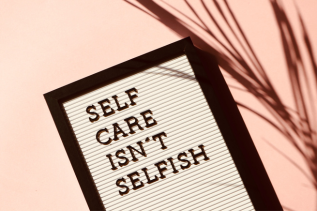
Whether you are mourning a person or a beloved pet, talking with those who have walked a similar path can help you feel less isolated. Former pet owners or those who have experienced similar life changes can offer practical advice and emotional validation. Taking this time to recharge allows you to approach your responsibilities—including parenting and work—with a clearer mind and a more patient heart. Reach out to friends, family, or our counselors for guidance and encouragement.
Start Receiving Support From Therapists in Savannah, GA
Whether you lost someone close to you this year or several years ago, grieving a loved one can be harder than people realize. If it’s hard for you, please connect with a professional counselor at Waters Edge Counseling. Our team would be honored to offer support from our Savannah, GA-based practice. You can start your therapy journey by giving us a call at 912.216.1550 or emailing us at info@watersedgecounseling.com.
Other Services Offered With Waters Edge Counseling
We understand that you may experience issues with more than one mental health concern at a time. This is why we are happy to offer support with a variety of mental health services. Our team is happy to offer support with multiple mental health services including online counseling, clinical supervision, coping after a cancer diagnosis, and SCAD student counseling. We are also happy to offer therapy for anxiety, depression, eating disorders, substance abuse, teen substance abuse, and counseling for men. In addition, we also offer counseling for teens, child counseling, family counseling, Christian counseling, grief counseling, and marriage counseling.
Please note: While this blog is designed to help people achieve their goals, the information within each post is not a substitute for therapy or medical advice given by a licensed professional.