

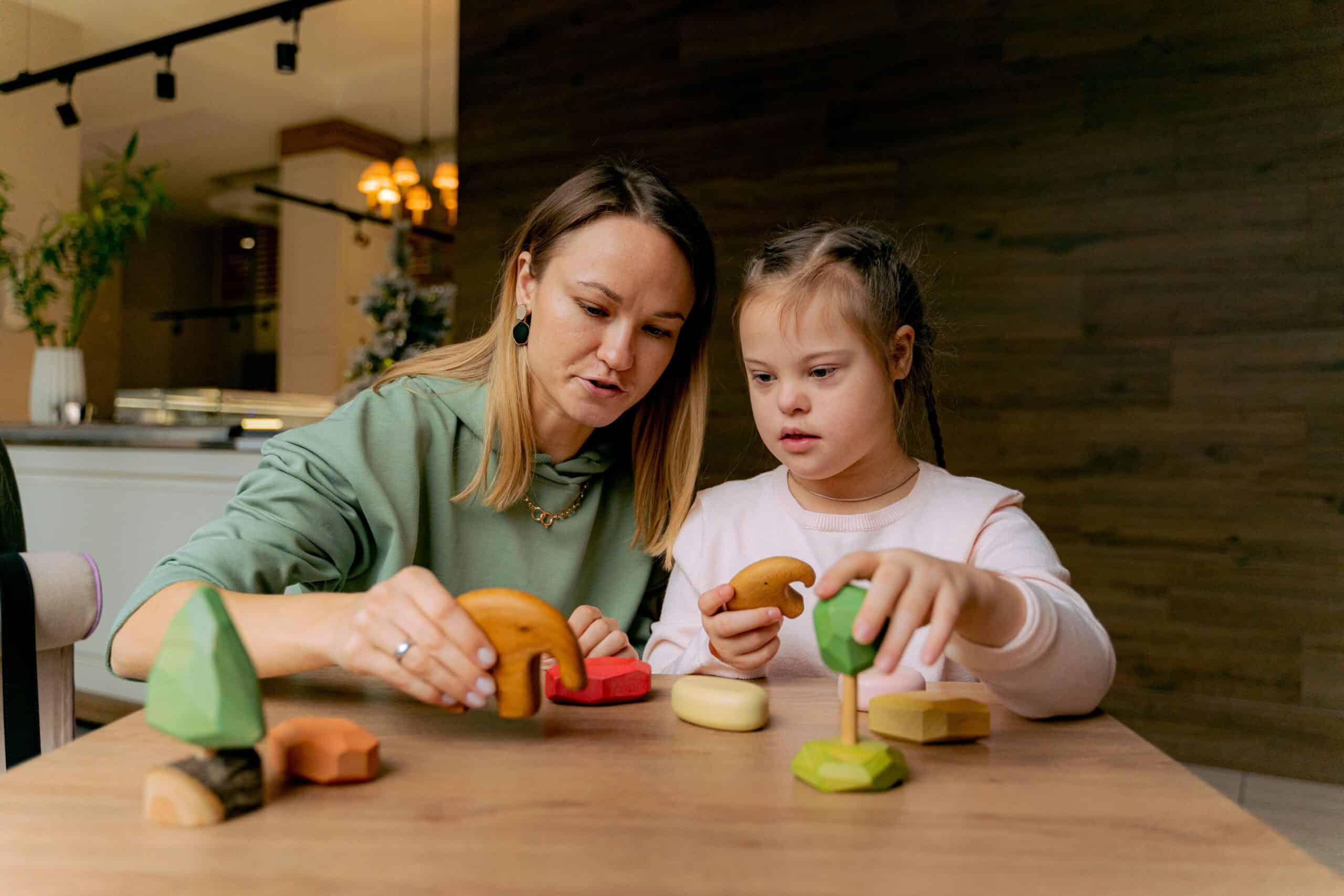
For most children, the title on the door matters much less than two other things: whether the clinician is trained to work with kids and whether your child feels safe enough to talk, play, or draw in the room. “Therapist” and “counselor” are often used interchangeably, and when you’re looking for counseling for kids, the more useful questions are about experience, approach, and fit.
That said, the words aren’t meaningless, and a parent who has been googling at 11 p.m. deserves a straight explanation of what they do and don’t signal.
What the Titles Mean in Practice
“Therapist” is a broad umbrella term. It covers licensed professional counselors, clinical social workers, marriage and family therapists, and psychologists. “Counselor” usually refers to a licensed professional counselor (LPC) or something similar, though school counselors are a different role entirely and work on academic, social, and career concerns within a school setting.
In private practice, a licensed counselor and a licensed therapist with a different degree are often doing nearly identical work with a child. They both complete graduate training, supervised clinical hours, and state licensing requirements. The differences between degree paths show up more in training emphasis than in what happens in a session.
A licensed professional counselor tends to have training grounded in individual development and wellness. A licensed clinical social worker often has a broader systems lens, looking at the child’s school, family, and community together. A marriage and family therapist is trained to see a child’s struggles in the context of family relationships. A psychologist can do all of that therapy work too, and is additionally trained in formal psychological testing and assessment.
For a child, those differences matter less than hands-on experience with kids. A seven-year-old with separation anxiety does best with a clinician who knows how anxiety shows up at seven, who can work through play instead of expecting a kid to sit and talk about feelings, and who brings parents into the process.
The Distinctions That Do Matter for Kids
If the title isn’t the deciding factor, these are:
Training and experience with children specifically. Working with a nine-year-old is a different skill from working with an adult. Children rarely explain what’s wrong in words. They show it through play, behavior, drawings, and what they avoid. A clinician who has spent years with kids learns to read those signals and to adjust pacing, language, and activities to a child’s developmental stage. When you call a practice, ask directly how much of the clinician’s caseload is children and what approaches they use with this age group.
The approach used. Younger children often do best with play-based work, where the room, the toys, and the activities become the child’s way of communicating. Older kids and teens may do better with a more conversational style, sometimes combined with skills practice for things like anxiety or big emotions. Ask what a typical session looks like for your child’s age.
How parents are involved. With children, treatment rarely happens in isolation. A good child clinician will meet with you, give you tools to use at home, and keep you informed in a way that still protects your child’s trust. If a clinician wants no parent involvement at all with a young child, or wants to keep parents entirely in the dark, that’s worth questioning.
Whether the concern needs something beyond counseling sessions. If you’re worried about attention, learning, autism, or a possible need for medication, a conversation with your pediatrician or a referral for formal evaluation may be part of the picture. A good clinician will tell you when that’s the case instead of keeping you in sessions that won’t solve the real problem.
When One Might Fit Better Than the Other
There are a few situations where the distinction between a counselor and another type of clinician carries real weight.
If you want formal testing, such as an evaluation for ADHD, learning differences, or autism, you’ll need a psychologist or another provider qualified to do the assessment. That’s a separate service from ongoing therapy, and many families end up using both.
If your child may benefit from medication, a psychiatrist or pediatric prescriber is part of the team. Counselors and therapists can’t prescribe, but they often work alongside a prescriber and share observations that help.
If the main issue is something happening in a school setting, such as peer conflict, a transition to a new grade, or academic stress, a school counselor can be a useful first step. School counselors typically offer short-term support and aren’t set up to provide the ongoing treatment a child might need for anxiety, grief, trauma, or behavior at home.
For most other concerns, such as worry, meltdowns, sadness, trouble after a divorce or move, friendship struggles, and anger, a licensed counselor or therapist with solid child training is a good fit. You can read more about how we think about this in our overview of anxiety, since so many of the children we see are carrying worry that comes out sideways as irritability, stomachaches, or refusal to go to school.
What a First Visit Usually Looks Like
Parents often picture a child lying on a couch and being asked about their feelings. For younger kids, the first session is frequently a parent-focused intake. You talk through what you’ve noticed, your child’s history, and what’s been tried. This lets the clinician learn the story without your child listening to a list of their own problems.
When your child does come in, the early sessions are about comfort. A child may spend a visit exploring the room, drawing, or playing a game while the clinician quietly watches and builds rapport. That can feel slow to a parent who wants answers. It’s the foundation for everything that follows, because a child who doesn’t feel safe won’t open up no matter how skilled the clinician is.
If you’d like a sense of the logistics before you call, our page on setting up an appointment and what to expect walks through the process. And if travel or schedules are a hurdle, some families find that virtual therapy works well, particularly for older kids and teens who are comfortable on a screen.
Signs It May Be Time to Reach Out
Counseling for a child is reasonable well before a crisis. Reasons we commonly hear from parents include a child who has become withdrawn or unusually clingy, frequent meltdowns that seem out of proportion, sleep trouble or nightmares, drops in school performance, new fears, changes in appetite, or a rough stretch after a major change like a divorce, move, loss, or illness in the family.
Some of the worry parents carry is about whether a child’s behavior is “normal.” A useful rule of thumb is to look at duration and impact. If something has lasted several weeks and is getting in the way of school, friendships, sleep, or family life, a conversation with a counselor is reasonable. It’s also fine to reach out just because your gut says something is off. Parents are usually right about that, and a first call costs nothing but a few minutes. If your concerns are more about a teenager, our piece on raising teenagers in a changing world speaks to what that stage can look like.
How to Choose Without Overthinking the Title
When you’re comparing options, a short list of questions will tell you more than any credential:
- What is your experience working with children my child’s age?
- What does a session look like for a child this age?
- How do you involve parents, and what do you keep confidential?
- How will we know whether it’s helping, and when would we check in on progress?
- What would you do if you thought my child needed something outside your scope?
A clinician who answers these clearly and warmly is likely a good fit, whatever the letters after their name say. Pay attention to how the conversation feels, too. You’re going to hand this person something precious, and you should feel heard on the phone before you ever book.
Starting the Conversation
The therapist-versus-counselor question is one many parents ask before picking up the phone, and answering it is a sensible first step. The next step is a conversation about your child specifically.
At Water’s Edge Counseling, we’re glad to talk through what you’re seeing and help you figure out whether counseling is the right move and which clinician would suit your child. We see children and families at our Savannah and Wilmington Island offices and online anywhere in Georgia. You can reach out to schedule a consultation whenever you’re ready.